
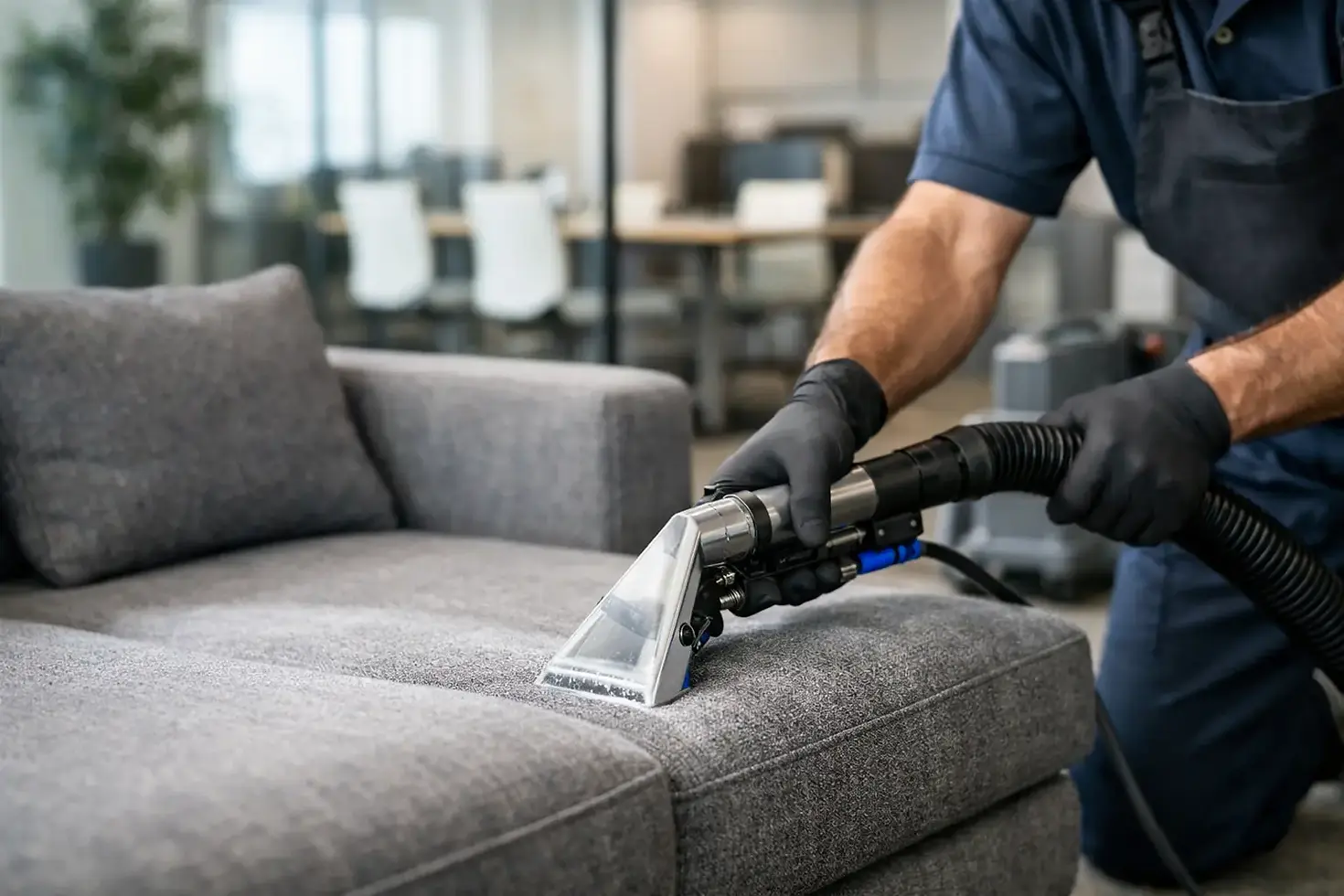
Commercial Upholstery Cleaning Services That Last
A stained lobby chair, dingy restaurant booth, or odor-trapping office sofa can change how people judge an entire facility. Commercial upholstery cleaning services address the furniture employees, guests, patients, students, and tenants use every day, helping businesses maintain a cleaner, more professional environment without replacing serviceable pieces too soon.
For facility leaders, upholstery care is not simply a cosmetic add-on. It protects a visible asset, supports sanitation goals, and helps prevent a few neglected items from undermining the work being done across the rest of the property. The right program depends on the facility, the fabric, the level of use, and how quickly the space must return to service.
Why Upholstery Needs a Commercial Cleaning Plan
Upholstered furniture holds more than surface dust. Fabric fibers collect body oils, food particles, spilled beverages, allergens, makeup, and airborne soil. In busy environments, those contaminants are pressed deeper into cushions and chair backs day after day. Vacuuming helps with loose debris, but it does not remove the embedded buildup that causes discoloration, odors, and a worn appearance.
This matters in client-facing spaces. A hotel lounge, physician waiting room, leasing office, school reception area, and executive conference room all communicate something before anyone speaks with a guest. Clean, well-maintained furniture supports confidence in the operation. Neglected upholstery creates the opposite impression, even when the floors and restrooms are clean.
There is also a cost consideration. Reupholstering or replacing seating is expensive, disruptive, and often unnecessary when fabrics are treated before soils become permanent. Routine professional cleaning can extend the usable life of upholstered furnishings by removing damaging grit and residues that break down fibers over time.
What Commercial Upholstery Cleaning Services Should Include
A dependable service starts with an assessment, not a one-size-fits-all process. Commercial furniture can include synthetic fabric office chairs, delicate lobby seating, dining booths, modular sectional furniture, upholstered headboards, theater-style seating, and specialty materials. Each requires the appropriate cleaning method, products, and drying approach.
A qualified cleaning team should identify the fabric type and condition, inspect for staining or damage, and determine whether low-moisture treatment, hot-water extraction, encapsulation, spot treatment, or another process is appropriate. The goal is effective soil removal without oversaturating fabric, leaving residue behind, or creating extended downtime for the facility.
The work should also include detailed attention to high-contact areas. Armrests, seat cushions, headrests, and the front edges of chairs tend to show soil first. These areas may need targeted pre-treatment before the broader cleaning process begins. For dining and hospitality settings, technicians should address food and beverage spots promptly, while still setting realistic expectations about stains that have altered or damaged the fiber.
No professional provider should promise that every stain will disappear. Ink, dye transfer, bleach spots, old pet-related damage, and certain food or oil stains may be permanent. Accountability means explaining the likely result before work starts and applying the safest practical treatment, rather than making claims the material cannot support.
When Your Facility Should Schedule Upholstery Cleaning
The right frequency depends on traffic, usage, and the role furniture plays in the space. A lightly used private office may only need periodic service, while restaurant booths, hotel seating, medical waiting areas, student lounges, and sports venue furniture may require more frequent attention.
Rather than waiting for furniture to look visibly dirty, managers should watch for operational signs that cleaning is overdue. These commonly include:
Darkening on armrests, cushions, and chair backs
Persistent odors after routine housekeeping
Repeated spills or visible spot staining
Dust or debris collecting in seams and crevices
Guest, tenant, employee, or patient complaints about appearance
A recurring schedule usually produces better results than emergency-only cleaning. Fresh spills and recent soils are more responsive to treatment. Scheduled service also allows facility teams to coordinate access, move furniture as needed, and plan around meetings, guest turnover, meal periods, or building occupancy.
Match the Cleaning Method to the Facility
There is no single best method for every property. Hot-water extraction can provide a deeper cleaning for many durable commercial fabrics, especially where soil has accumulated over time. It may require longer drying time, however, which can be a challenge for a busy office, hotel, restaurant, or healthcare setting that needs seating back in use quickly.
Low-moisture and encapsulation methods can be a strong fit where faster dry times are the priority. These processes can lift and capture soil while reducing the risk of over-wetting. They are often useful for routine maintenance between more intensive cleanings, but the best choice still depends on fabric construction and soil conditions.
For healthcare and educational facilities, the cleaning scope should align with the organization’s sanitation protocols and occupancy needs. A treatment that works well in an administrative office may not be suitable for a patient-care environment or an area with strict scheduling and access requirements. The provider should be prepared to coordinate with facility contacts, work in designated sections, and follow site-specific procedures.
Plan Around Downtime, Not Just the Cleaning Date
A cleaning appointment is only successful if it fits the operation. Facility managers should discuss access hours, furniture movement, dry times, security requirements, parking, elevator use, and any areas that must remain open. This is particularly important for hotels, restaurants, schools, medical offices, and managed properties where guests or occupants may be present throughout the day.
For large projects, sectional scheduling can reduce disruption. A contractor may clean one lobby zone, floor, dining section, or group of offices at a time so the facility retains usable seating. Evening, overnight, weekend, and low-occupancy scheduling may also be the better option for high-traffic locations.
Clear communication matters after the work is complete as well. Furniture should be marked or protected as needed while drying, and the facility team should know when seating can safely return to normal use. Rushing that process can transfer soil back onto damp fabric or create avoidable discomfort for guests and employees.
Protect Results Between Professional Visits
Daily housekeeping plays an important role in preserving upholstery after a professional service. Vacuuming upholstered furniture with the proper attachment removes dry soil before it settles into fibers. Prompt blotting after spills can limit staining, while approved spot-cleaning procedures help staff avoid using harsh products that set stains or damage fabric.
Facility teams should avoid scrubbing aggressively, soaking cushions, or applying random retail cleaners without checking manufacturer recommendations. Too much moisture can lead to water marks, odor issues, or damage to backing materials. Strong chemicals may discolor fabric or leave sticky residue that attracts more soil.
For food service, hospitality, and public waiting areas, simple prevention measures also help. Strategic entry matting reduces the dirt tracked onto seating areas. Clear food and beverage policies can limit spills in certain zones. Rotating or rearranging movable cushions may distribute wear more evenly where the furniture design allows it.
Choose a Provider That Can Support the Whole Property
Upholstery cleaning works best when it is part of a coordinated facility-maintenance plan. A provider that understands carpet care, floor maintenance, janitorial service, high-traffic cleaning, and event or turnover needs can help managers address related issues without adding unnecessary vendor coordination.
Ask practical questions before scheduling: How will the provider assess fabric? What method is recommended and why? What drying time should the facility expect? How will technicians handle difficult stains, access restrictions, and occupied areas? Can the team work around the site’s operating schedule? Straight answers to these questions are a stronger indicator of service quality than a generic promise of deep cleaning.
GD Pro Services approaches commercial upholstery work with the same detailed, dependable mindset required across demanding Florida facilities. Whether the need is recurring maintenance or a focused restoration project, the service should be built around the furniture, the traffic level, and the realities of the operation.
Well-kept upholstery gives visitors a reason to feel comfortable and gives facility teams one less visible problem to manage. Address the wear before it becomes a replacement decision, and the space will continue to reflect the standards your organization works hard to maintain.


Comments