

Commercial Cleaning Provider Reviews That Matter
- 52 minutes ago
- 5 min read
A spotless lobby at 8 a.m. means little if restroom supplies run out by noon, a spill sits unattended during peak traffic, or a vendor misses a scheduled service without notice. Commercial cleaning provider reviews can help facility leaders see beyond polished sales claims and identify whether a company delivers the consistent, accountable service their property requires.
For a property manager, operations director, school administrator, or hospitality leader, a cleaning provider is not simply a contractor. That provider affects safety, tenant satisfaction, staff morale, guest impressions, and the daily readiness of the facility. Reviews are useful when they reveal how a company performs when schedules change, standards are high, and a problem needs immediate attention.
What Commercial Cleaning Provider Reviews Should Reveal
The most valuable reviews describe outcomes, not vague praise. A five-star rating is encouraging, but a comment such as “the crew is great” does not tell you whether the provider can maintain a large facility, respond to an after-hours concern, or handle specialty work without disrupting operations.
Look for details about consistency. Does the reviewer mention regular service being completed on schedule? Were high-traffic areas maintained throughout the day? Did the company follow up after a concern was raised? Specific examples indicate that the reviewer experienced the provider's process, not just a one-time positive interaction.
A strong review may also reveal the type of environment served. Cleaning an office suite is different from maintaining a restaurant, healthcare setting, school, hotel, sports venue, or post-construction site. The right provider understands the sanitation, access, timing, security, and presentation requirements of your operation. A company with a long record in similar facilities may be a better fit than one with excellent reviews from unrelated work.
Read for Reliability, Not Just Ratings
Ratings are a starting point, not a final decision. A company with fewer reviews may serve larger commercial accounts that do not commonly post public feedback. Conversely, a high volume of reviews can reflect a residential or consumer-focused business model rather than recurring commercial service.
Read the newest reviews first, then look for patterns over time. A provider that receives consistent feedback about dependable crews, detailed work, professional communication, and quick issue resolution is showing the qualities that matter in an ongoing contract. One glowing review from several years ago is less useful than a steady record of recent performance.
Pay close attention to comments about missed details. Every service business can encounter an issue. The deciding factor is what happened next. Did the company acknowledge the concern, send a supervisor, correct the work, and prevent a repeat? Accountability is one of the clearest signs that a cleaning contractor can be trusted with a demanding facility.
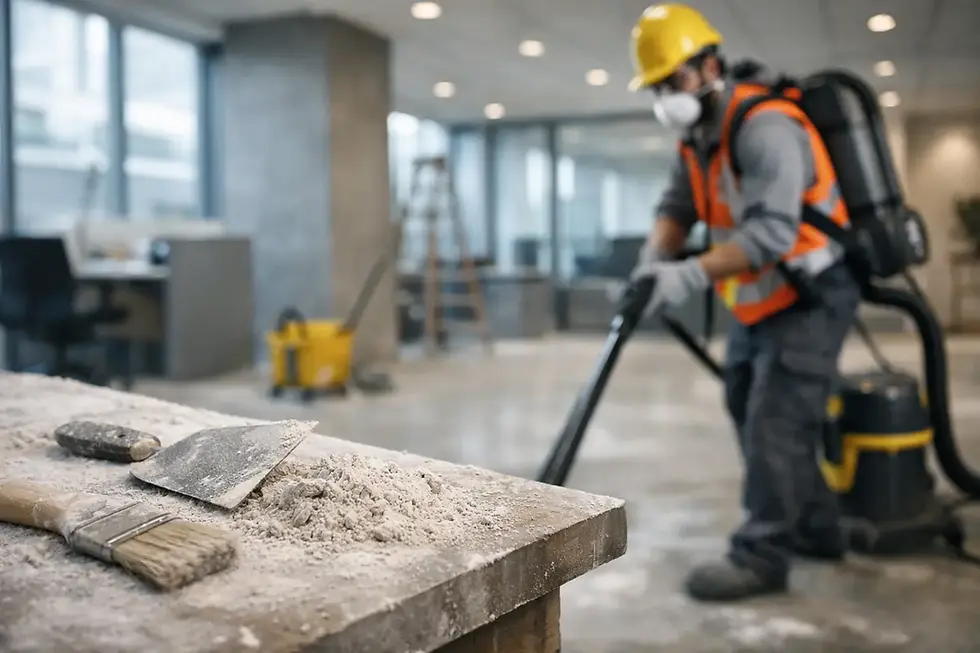
Reviews that mention flexibility are also worth noting. Commercial properties do not operate on a fixed script. Events create unexpected cleanup needs. Construction activity creates dust and debris. Seasonal traffic changes the workload. A dependable provider should be able to adjust coverage, shift service times, or add specialized work when circumstances require it.
Separate Routine Janitorial Work From Specialized Capabilities
A frequent mistake in evaluating providers is assuming that routine janitorial reviews cover every cleaning need. They do not. A company may keep offices tidy yet lack the equipment, training, staffing depth, or project management needed for floor restoration, stone care, high dusting, carpet treatment, window cleaning, grout scrubbing, or post-construction cleanup.
When reading commercial cleaning provider reviews, match the feedback to the scope you expect to need. If your property has polished stone floors, look for evidence of knowledgeable stone and floor care. If your building hosts events or experiences heavy public traffic, search for references to rapid response, daytime cleaning, event cleanup, and high-traffic-area maintenance.
This distinction matters most when you want fewer vendors to manage. A single capable partner that handles daily cleaning and specialty projects can reduce coordination burdens and protect facility standards. Still, confirm the provider performs that work directly or clearly explains how it is managed. “We can handle it” should be supported by examples, equipment, staffing, and a defined plan.
Watch for Communication Clues
Cleaning is often most noticeable when it fails. That is why communication has real operational value. Reviews can show whether a provider is easy to reach, proactive with updates, and responsive when a manager identifies a concern.
Useful comments may describe supervisors checking work, crews communicating with onsite contacts, or office staff quickly arranging service changes. These details suggest a provider has structure behind the crews. Without that structure, even skilled cleaners can struggle to meet expectations across multiple shifts, locations, or changing schedules.
Ask how the company handles service requests after the contract begins. Is there a designated point of contact? Are inspections documented? How are recurring concerns tracked? Reviews may point you in the right direction, but direct answers during the selection process matter more than assumptions.
Look Beyond Public Reviews Before You Decide
Public feedback should inform your shortlist, not replace due diligence. Once you identify a potential provider, request references from facilities comparable to yours. Ask references practical questions: How long has the company served the account? How dependable is attendance? What happens when standards slip? Can the provider support special projects or staffing needs without creating disruption?
It is also reasonable to ask prospective providers how they train personnel, screen team members, supervise sites, and maintain quality control. For healthcare, education, hospitality, food service, and other sensitive environments, ask how their procedures align with your facility's sanitation, access, and safety requirements. The strongest provider will not avoid specific questions. They will explain the process and set realistic expectations.
A walkthrough is equally important. Reviews cannot show the condition of your floors, the layout of your restrooms, the traffic patterns in your lobby, or the dust challenges above ceiling level. A serious provider will use the walkthrough to understand your priorities before recommending staffing levels, service frequency, and specialized treatments.
Recognize Red Flags Without Overreacting
No company can satisfy every customer in every situation. A single negative review is not automatically a reason to move on, particularly if the complaint is old or the company responded constructively. Repeated concerns, however, deserve attention.
Be cautious when reviews consistently mention no-shows, rushed work, poor communication, billing confusion, or problems that were never resolved. Similar complaints from different customers often point to an operational weakness. Also be careful with reviews that are overly generic, appear in a sudden cluster, or do not describe a commercial service experience.
The trade-off is straightforward: the lowest price may reduce immediate cost, but it can create larger expenses through complaints, rework, damaged surfaces, tenant dissatisfaction, or internal time spent managing the vendor. Value comes from dependable execution, a scope that fits the facility, and a provider willing to take ownership when conditions change.
Turn Review Findings Into Better Contract Questions
Bring what you learn from reviews into the proposal and contract discussion. If reviewers praise response times, ask what response standard the company commits to. If they mention detailed floor care, confirm the maintenance schedule and products proposed for your surfaces. If flexibility is a recurring theme, define how additional services, event coverage, and emergency requests will be approved and priced.
For Florida facilities managing humidity, heavy foot traffic, seasonal occupancy, construction activity, and demanding guest or tenant expectations, clear scope is essential. Specify service frequencies, high-priority areas, quality checks, supply responsibilities, access procedures, and escalation contacts. A provider should welcome this level of clarity because it gives both teams a fair standard for success.
GD Pro Services approaches commercial cleaning as an operational responsibility, combining recurring janitorial coverage with specialized project support for facilities that need detailed work and dependable follow-through. The right fit for your property should offer that same commitment to clear expectations and results you can count on.
Use reviews to identify patterns, then verify those patterns through references, a walkthrough, and direct questions. The cleaning partner you choose should make your facility easier to operate, not another item for your team to chase.


Comments